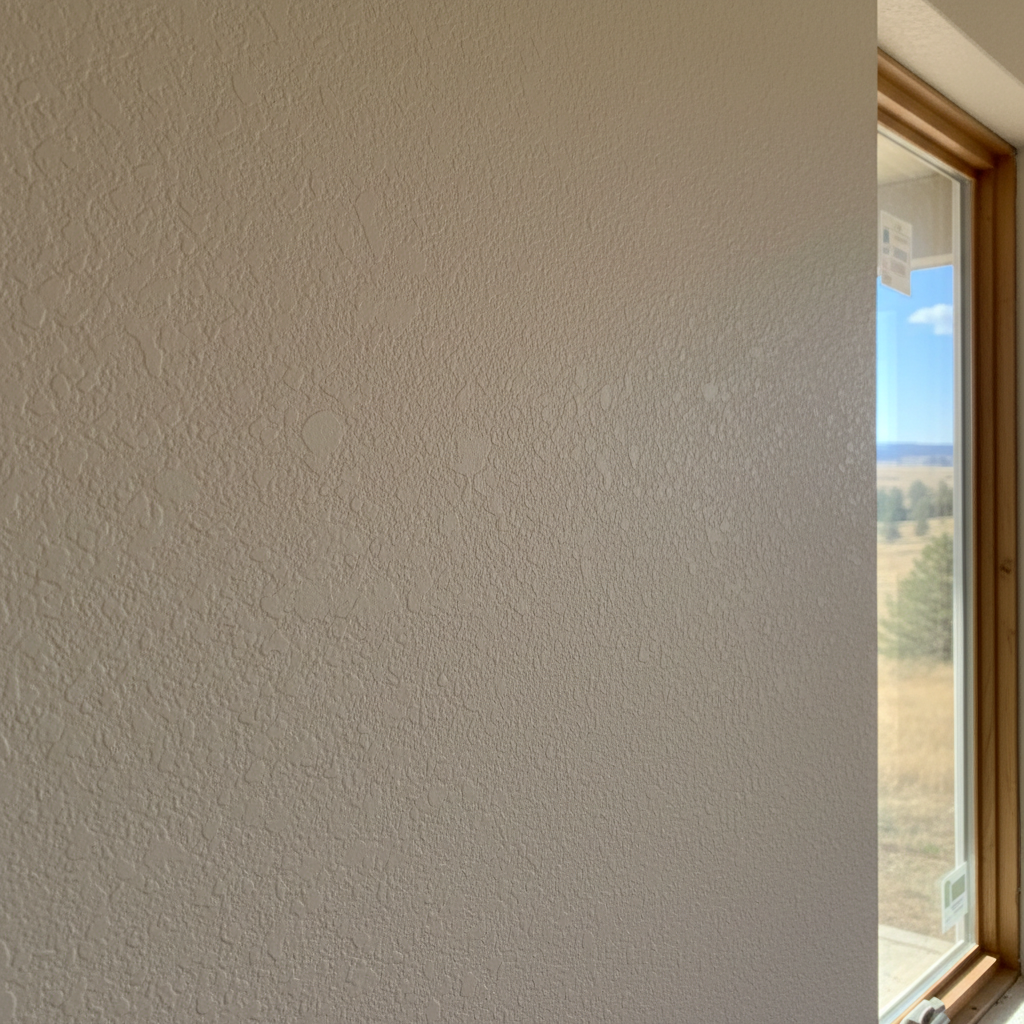
What's the deal with drywall texture anyway? Why can't I just have smooth walls?
You absolutely can have smooth walls, and plenty of folks do! But here's the thing: smooth walls are a lot harder to get perfect, and they show every single little imperfection. Every ding, every joint, every tiny bump from the drywall screws – it all stands out like a sore thumb. Texture, on the other hand, is a great way to hide those minor flaws. It adds character to a room, too, and can really change the feel of a space. Think about it: a super smooth, high-gloss wall feels different than a wall with a subtle skip trowel finish. It's not just about aesthetics; it's about practicality and how much effort you want to put into keeping your walls looking pristine.
What are the most popular drywall textures you see in Billings homes?
Around here, I'd say the most common textures we run into are knockdown, orange peel, and sometimes a light skip trowel. Knockdown is super popular; it's got that slightly flattened, mottled look that adds a bit of depth without being too busy. Orange peel is another big one, especially in newer builds or remodels where folks want a subtle, consistent finish. It's called orange peel because, well, it looks a bit like the skin of an orange. Then you've got skip trowel, which is more handcrafted. It's got a slightly more rustic, Mediterranean feel to it. We also see a lot of smooth finishes in those higher-end homes up in the Heights or in some of the newer, modern builds. Popcorn ceilings, while not a wall texture, are still out there, and plenty of people are looking to get rid of those. But for walls, those three are definitely the kings.
How do you match an existing texture when I'm just repairing a small section?
Matching existing texture is probably one of the trickiest parts of our job, and it's where experience really counts. It's not just about knowing the technique; it's about feel and a bit of artistry. First, we figure out what kind of texture it is – orange peel, knockdown, skip trowel, whatever. Then, we look at the density and the pattern. Is it a heavy orange peel or a light one? Are the knockdown 'islands' big or small? We'll use the same tools and materials, whether it's a sprayer for orange peel or a trowel for knockdown. We often do test patches on a piece of scrap drywall or a less visible area first to dial it in. It's a bit like baking; you need the right ingredients and the right technique, but sometimes you just gotta feel it out. We take our time with it because a bad texture match sticks out like a sore thumb.
Can I put new texture over old texture?
You can, but it's not always the best idea, and it depends a lot on the existing texture. If you've got a really heavy, aggressive texture, trying to put a new, lighter texture over it can be a nightmare. You'll end up with an uneven, lumpy mess. For lighter textures, like a fine orange peel, you might be able to get away with it, especially if you're going for a heavier texture like knockdown. But even then, you usually need to do some prep work. We often recommend a light sanding to knock down any high spots and then a good coat of primer to create a consistent surface for the new texture to adhere to. If the old texture is really thick or damaged, it's usually better to skim coat it smooth first or even remove it entirely. It's more work upfront, but you'll be much happier with the final result.
What's the difference between a sprayed texture and a hand-applied texture?
The main difference is, well, how they're applied and the look they give. Sprayed textures, like orange peel or popcorn, are done with a texture sprayer. This creates a more uniform, consistent look because the material is atomized and applied evenly. It's generally quicker to apply, too, which can save you a bit on labor costs. Hand-applied textures, like skip trowel or Santa Fe, are done with a trowel or knife. These textures have a more organic, handcrafted feel to them. Each stroke is unique, so you get variations and a more artistic finish. They usually take more skill and time to apply, which means they can be a bit more expensive. Neither is inherently 'better'; it just depends on the look you're going for and your budget. Here at Billings Drywall Company, we do both, and we're good at them.
How long does it take for texture to dry before painting?
That's a question we get a lot, and the answer isn't a simple one-size-fits-all. It depends on several factors: the type of texture, how thick it was applied, the humidity in your home, and the temperature. A light orange peel might be dry to the touch in a few hours, but it's not truly cured. For most textures, especially knockdown or skip trowel, you're usually looking at 24 to 48 hours before it's truly ready for primer and paint. If it's a humid day, like we sometimes get in the spring or late summer here in Billings, it could take even longer. You want to make sure it's completely dry and hardened. Painting over wet or even slightly damp texture can cause adhesion problems, bubbling, or an uneven finish, and you definitely don't want that after all the work getting it on there.
Does texture add to the cost of drywall installation?
Yes, it absolutely does. When you're talking about drywall installation, you've got the hanging, the taping, the mudding, and then the finishing. Texture is part of that finishing process. It requires extra materials – the texture compound itself – and extra labor. The cost difference will vary depending on the type of texture. A simple orange peel might add a little less than a more complex, hand-applied skip trowel or a heavy knockdown, which takes more time and skill. Smooth walls, ironically, can sometimes cost even more than textured walls because they demand an even higher level of finish and more sanding to get them perfectly flat. It's an additional step in the process, so you should always factor it into your budget when you're planning any drywall work.