Hiring Guide · 5 min read

Hiring a Drywall Contractor in Billings? Read This First.

Don't get stuck with a bad drywall job. As a local contractor, I'll tell you exactly what to look for and what questions to ask before you hire anyone in Billings.

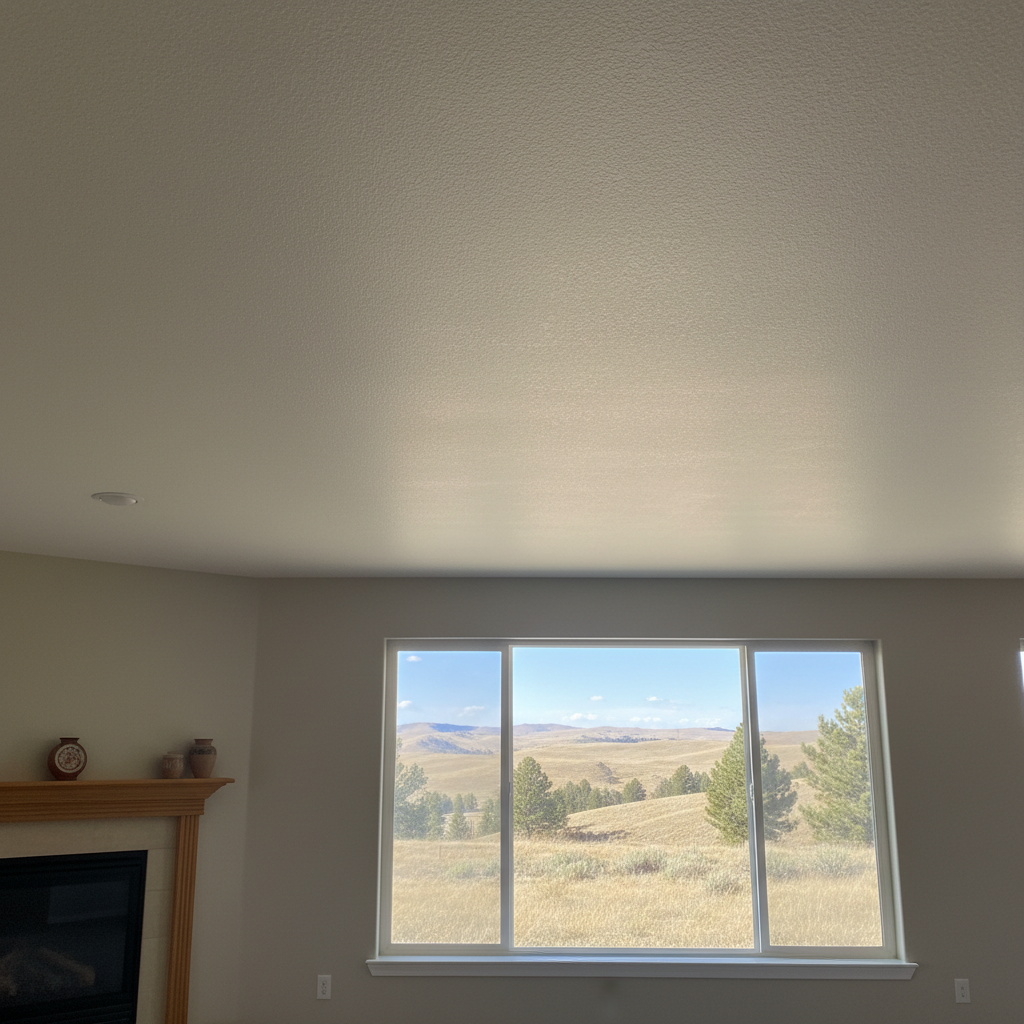
← Back to Blog Completed drywall finishing work at a residential property in Billings, MT

Alright, let's talk about drywall. It's not the flashiest part of a home renovation, but a bad drywall job sticks out like a sore thumb. You're looking at uneven walls, visible seams, or a finish that just doesn't look right. And once it's painted, those flaws are even harder to hide. So, if you're a homeowner in Billings thinking about hiring someone for drywall work, you need to know how to pick the right crew.

What Questions Should You Ask?

Don't be shy. You're paying good money for this, so ask away. Here's what I'd want to know if I were hiring someone:

  • Are you licensed and insured in Montana? This isn't just a formality. A legitimate contractor will have liability insurance and workers' compensation. If they don't, and someone gets hurt on your property or your house gets damaged, you could be on the hook. Don't take their word for it; ask for proof.

  • How long have you been doing drywall specifically? Some general contractors dabble in everything. You want someone who specializes in drywall. They'll know the tricks of the trade, how to handle different types of sheetrock, and how to get a smooth finish every time.

  • Can you provide references from recent jobs? A good contractor will be proud of their work and happy to share contacts. Call those references. Ask about the quality of the work, if they stuck to the schedule, and if there were any unexpected costs.

  • What kind of finish do you offer? There are different levels of drywall finish, from a basic Level 2 (think garage) to a Level 5 (smooth, perfect walls for high-gloss paint). Make sure you're both on the same page about the finish you expect for each area.

  • How do you protect my home during the work? Drywall work is dusty, no two ways about it. A professional crew will lay down drop cloths, seal off areas with plastic, and take steps to minimize dust spreading throughout your house.

  • What's your warranty on the work? Good contractors stand behind their work. Ask what kind of warranty they offer on their labor and materials.

What to Look For in a Quote

A quote isn't just a number; it's a breakdown of what you're paying for. Here's what a good quote should include:

  • Detailed Scope of Work: It should clearly state what areas are being drywalled, the type of drywall (e.g., standard, moisture-resistant in bathrooms), and the agreed-upon finish level for each area.

  • Material Costs: This should list the cost of sheetrock, mud, tape, screws, corner bead, etc. Sometimes it's lumped in, but it's good to know.

  • Labor Costs: How much are they charging for the actual work?

  • Timeline: When do they expect to start and finish? Be realistic here; good work takes time.

  • Payment Schedule: A reputable contractor won't ask for 100% upfront. Expect a reasonable deposit (maybe 20-30%), progress payments, and a final payment upon satisfactory completion.

  • Cleanup Plan: Who's responsible for removing debris and final cleanup?

Always get at least three quotes. It helps you compare not just prices, but also how thoroughly each contractor approaches the job. If a quote is significantly lower than the others, that's a red flag right there.

Red Flags to Watch Out For

You don't want to get burned. Here are some warning signs:

  • No License or Insurance: I already mentioned it, but it's worth repeating. This is a deal-breaker.

  • Cash-Only Deals: While some small jobs might be cash, a contractor who insists on cash for everything and avoids paper trails is usually trying to dodge taxes or accountability. Steer clear.

  • High-Pressure Sales Tactics: "Sign today for a discount!" or "I'm only in your neighborhood this week!" Good contractors don't need to pressure you.

  • Lack of a Written Contract: If it's not in writing, it doesn't exist. Get everything documented.

  • Unprofessional Behavior: This includes poor communication, showing up late for estimates, or a general lack of organization. If they can't manage their own business, how well will they manage your project?

  • No References or Portfolio: If they can't show you examples of their work or connect you with past clients, that's a big problem.

How to Verify Legitimacy

You've got a few ways to check if a contractor is on the up and up:

  • Check with the Montana Department of Labor & Industry: You can often verify licenses and workers' compensation coverage through their website or by calling them directly. For Billings, you're looking for state-level licensing for construction contractors.

  • Better Business Bureau (BBB): Look up their business. While not perfect, a good rating and few complaints are a positive sign.

  • Online Reviews: Google, Yelp, Facebook, etc. Take them with a grain of salt (some folks just love to complain), but consistent negative patterns are telling. Look for how the contractor responds to criticism too.

  • Ask for their physical business address: A P.O. Box is fine for mail, but a legitimate business often has a physical location, even if it's a home office. If they're completely untraceable, that's sketchy.

  • Trust your gut: If something feels off, it probably is. You're letting these folks into your home, sometimes for days or weeks. You need to feel comfortable with them.

Here at Billings Drywall Company, we've seen our share of bad drywall jobs that we've had to fix. It always costs the homeowner more in the long run. Do your homework upfront, ask the tough questions, and you'll end up with walls you're proud of. Whether you're renovating an old house in the Heights or finishing a basement in West End, getting the drywall right makes all the difference.

Ready to Get Started in Billings?

Contact Billings Drywall Company today for a free, no-obligation estimate on your project.

Get Your Free Quote