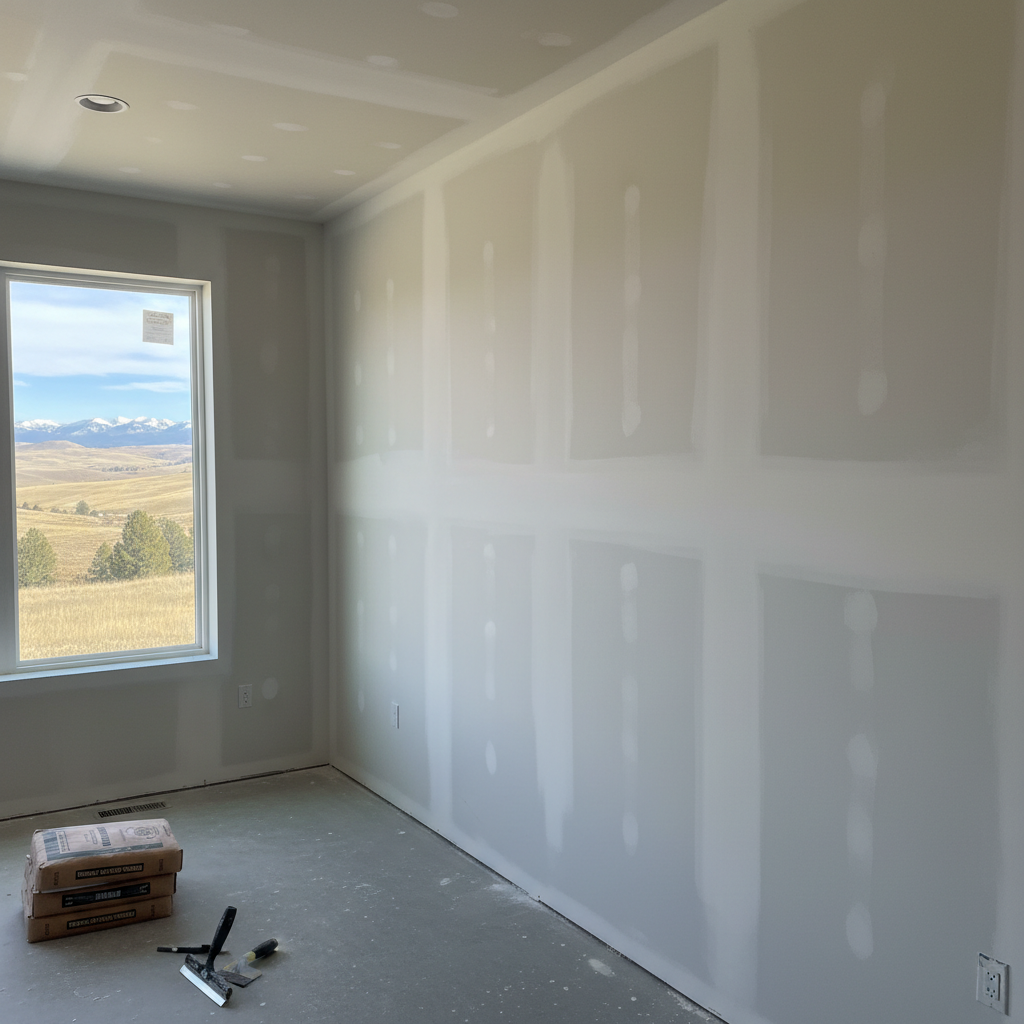
You've got good drywall in your home, right? Whether it's fresh from a new build or a renovation, you want that smooth finish to last. Here in Billings, we know our homes take a beating from the elements. Those big temperature swings, dry air, and even the occasional heavy snow can really test your interior finishes. So, how do you make sure your drywall stands the test of time?
Extend Your Drywall's Life
It's not rocket science, but a little common sense goes a long way. The biggest thing you can do to protect your drywall is control the environment inside your home. Montana's dry climate, especially in winter, can make wood framing shrink and expand, which puts stress on the drywall. Keeping your indoor humidity stable is key. Aim for around 30-50% humidity. A humidifier in the winter can prevent excessive drying and cracking, and a dehumidifier in the summer can stop moisture buildup that leads to other issues.
Another big one is protecting it from physical damage. Think about high-traffic areas or spots where furniture bumps against walls. Corner beads, especially, can take a hit. If you've got kids or pets, you know what I'm talking about. Consider things like chair rails or even just being mindful when moving furniture. A little care prevents a lot of patching.
Regular Maintenance: What to Look For
Maintenance for drywall isn't like changing your oil, but it does involve a quick look-over now and then. I tell folks to do a walk-through of their home a couple of times a year, maybe when you're changing your furnace filter or cleaning gutters. Here's what to check:
- Look for cracks: Small hairline cracks are often just settlement or seasonal movement. If they're tiny and don't grow, they're usually not a big deal. Bigger, spreading cracks, especially around doors and windows, are more concerning.
- Check for nail pops or screw heads showing: This happens when the wood framing dries out and shrinks, pushing the fastener out a bit. You'll see a small bump or a circular crack around the fastener.
- Inspect for water stains: Any discoloration, especially yellow or brown spots on ceilings or upper walls, means water is getting in somewhere. This is a red flag you can't ignore.
- Feel for soft spots: Gently press on the drywall in different areas. If it feels soft, spongy, or gives way easily, that's a sign of moisture damage or even rot behind the wall.
- Examine textured surfaces: If you have textured walls, look for flaking or peeling, which can indicate poor adhesion or moisture issues.
For cleaning, a soft cloth with a little mild soap and water usually does the trick for scuffs or dirt. Don't use anything too abrasive, and don't oversaturate the drywall, especially if it's not painted with a good quality, washable paint.
Warning Signs You Can't Ignore
Some problems are small, and you can handle them yourself with a little spackle and paint. Others need a pro. Here's when you should pick up the phone:
- Large, spreading cracks: Cracks that are wider than a credit card, run diagonally, or continue to grow after you've patched them often point to structural issues. This isn't just a drywall problem; it could be a foundation or framing issue.
- Significant water damage: If you see large water stains, bubbling paint, or the drywall feels mushy, you've got a leak. You need to find and fix the source of the water first, then address the drywall. Ignoring this can lead to mold and serious structural damage.
- Sagging ceilings or walls: If your ceiling looks like it's bowing down or a wall is noticeably bulging, that's a serious structural concern. Don't wait on this one.
- Persistent nail pops: If you keep patching the same nail pops and they keep coming back, it might indicate ongoing movement in your framing that needs a closer look.
- Mold growth: Black, green, or fuzzy spots on your drywall are a health hazard. Small surface mold can sometimes be cleaned, but if it's widespread or keeps returning, it means there's a deeper moisture problem.
When to Call a Professional
Look, I'm not going to tell you to call Billings Drywall Company for every little ding. You can handle small patches and touch-ups. But for anything beyond that, especially if you're unsure about the cause or the extent of the damage, it's always best to call in someone who knows what they're doing. We've seen it all, from houses settling in the Rimrock area to water damage from ice dams in the Heights. A professional can diagnose the root cause, not just patch over the symptoms.
If you've got significant cracks, water damage, or any structural concerns, get a pro out there. We can assess the situation, fix the drywall right, and often recommend solutions to prevent it from happening again. It saves you time, frustration, and often, more money in the long run than trying to DIY a big problem.